Week 7
Ethics in Social Research
Soci—316
Interlude Begins
March 10th
A Reminder
Annotated Bibliography
Annotated Bibliography Deadline
Your annotated bibliographies are due by 8:00 PM on Sunday, March 15th.
A Reminder
Annotated Bibliography
After Spring Break
Temperature Check
Providing a Brief Update
Let’s take a few minutes to go around the room and briefly remind each
other what we’re working on.
We will, of course, devote Thursday’s session to more
substantive conversations.
Defining Research Ethics
Three Core Principles
Scientists rely on three ethical principles to guide their research. These three principles were described in the Belmont Report of 1979. The report was issued by the National Commission for the Protection of Human Subjects of Biomedical and Behavioral Research (1979), which was established by Congress when it passed the National Research Act of 1974. The Belmont Report forms the foundation of our national system designed to protect humans who take part in medical or social science research.
(Carr et al. 2020:69, EMPHASIS ADDED)
Three Core Principles
Respect means that people are to be treated as autonomous agents. They have a right to decide whether they will take part in a research study. Respect also means that individuals with diminished autonomy—children, people with mental disabilities or suffering from diminished decision-making capacity (for example, Alzheimer’s patients)—receive protection in the decision-making process.
(Carr et al. 2020:69, EMPHASIS ADDED)
Beneficence refers to the responsibility to do good—to maximize benefits for science, for humanity, and for research subjects, and to prevent research subjects from suffering any harm as a result of the research.
(Carr et al. 2020:69, EMPHASIS ADDED)
Justice requires that the risks and potential benefits of the research be distributed equally among subjects. Research must be conducted in a fair and nonexploitative manner, and no one who might benefit from being part of the research should be systematically excluded. Similarly, powerless and vulnerable people should not be targeted as research subjects and bear the risks of the study simply because they are more likely to take part or because they are more accessible to the researcher.
(Carr et al. 2020:69, EMPHASIS ADDED)
Three Core Principles
These three ethical principles guide the establishment of norms and legal requirements for conducting research that all social scientists must follow. The main mechanism for ensuring these protections is the requirement of voluntary informed consent. Individuals must have the freedom to say yes or no to being part of a research project, and they must have all the possible benefits and risks of participation explained to them before they consent to participate. In most social science research, the risks are most likely to be social or psychological rather than physical.Social harms include embarrassment, shame, negative self-knowledge, emotional upset, and loss of privacy (Carr et al. 2020:69).
(Carr et al. 2020:69, EMPHASIS ADDED)
Three Core Principles
Informed consent … means that no one can be coerced or forced to take part in a research project … In the case of vulnerable populations who cannot give informed consent due to age or diminished mental capacity …, special protections must be put in place … The respect principle requires that researchers protect individuals’ privacy and confidentiality. Privacy refers to control over the extent, timing, and circumstances of sharing oneself (behaviorally, physically, or intellectually) with others. Research subjects should control the information they share with others, and if they do share information because they trust a researcher, then the researcher must keep that information private and not release it to the public.
(Carr et al. 2020:69, EMPHASIS ADDED)
Three Core Principles
“In the United States, institutional review boards (IRBs) ensure that research adheres to all these principles. IRBs are committees located at institutions where research is conducted, such as universities and colleges,
hospitals, and survey research firms.”
(Carr et al. 2020:69, EMPHASIS ADDED)
Please review this page and complete the
required training by mid-April.
Group Exercise I
Controversial Studies
In the 1950s to 1970s
Please get into groups of 3-4, review pp. 71-74 in Carr et al. (2020), and discuss how your assigned study contravened the three ethical principles institutionalized in the Belmont Report.
Group 1 will review the Milgram Obedience Experiment.
Group 2 will review the Stanford Prison Experiment.
Group 3 will review the Tearoom Trade.
A Note on Reproducibility
A Lay of the Land
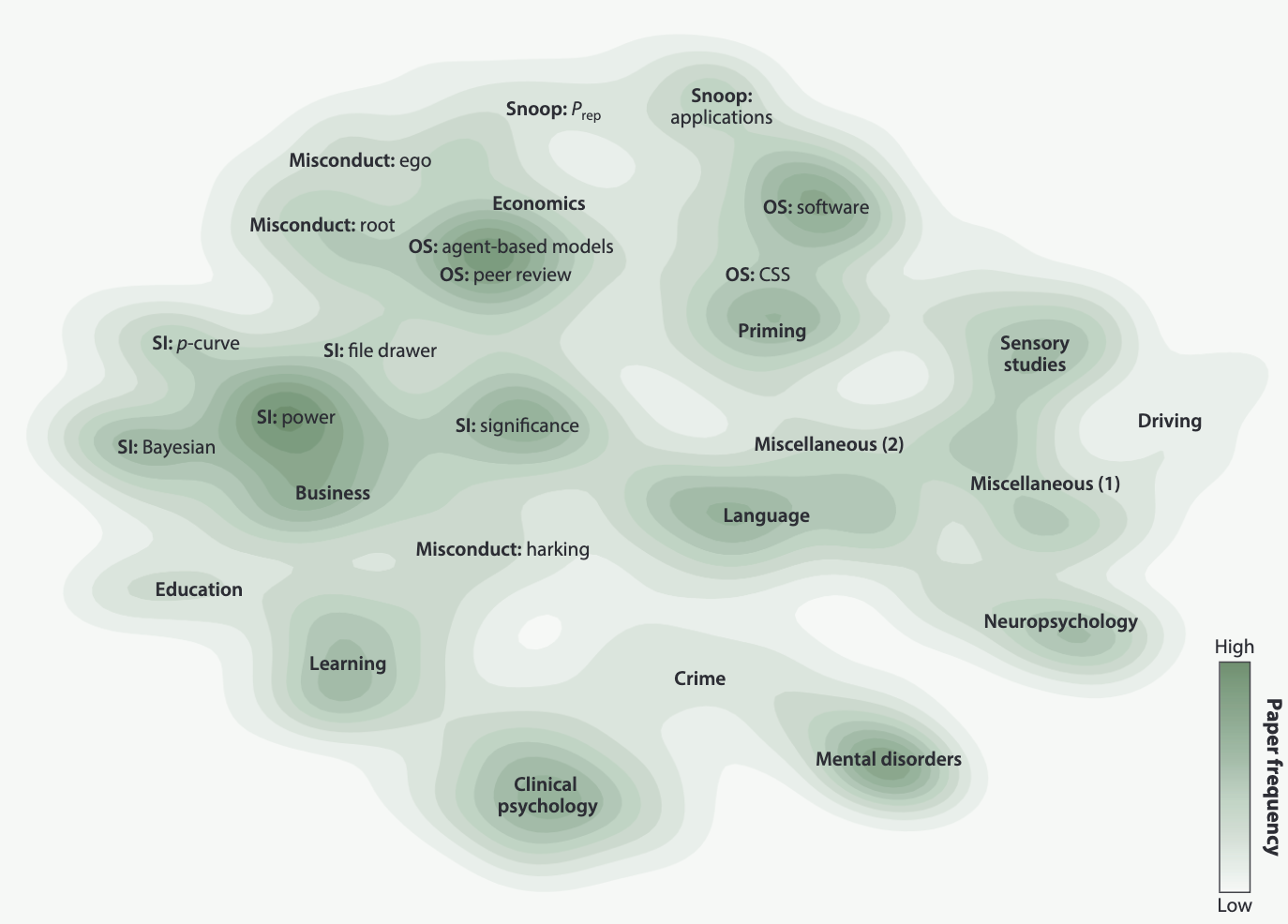
Figure 1 from Moody, Keister, and Ramos (2022)
A Lay of the Land
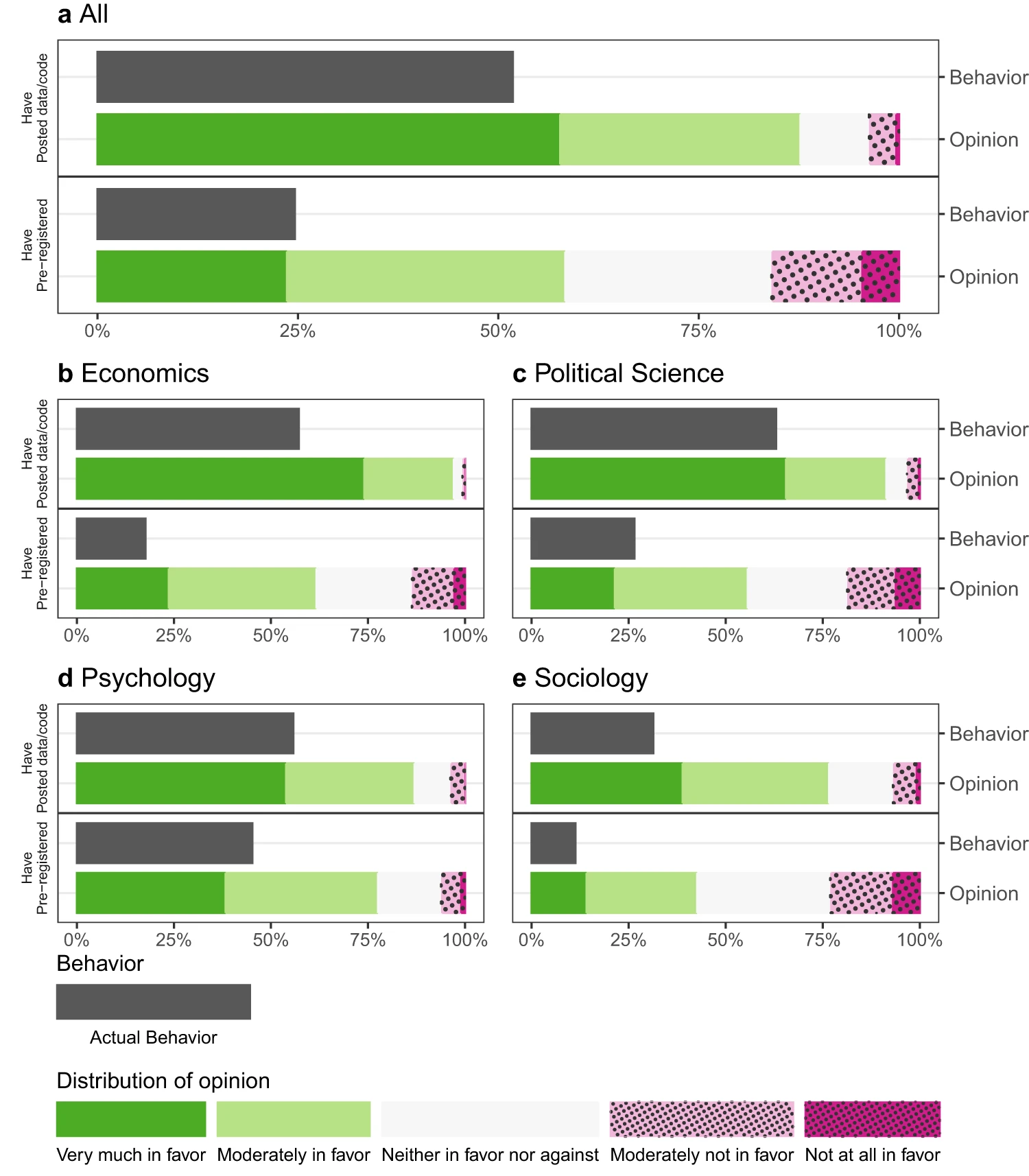
Figure 1 from Ferguson and colleagues (2023)
Misaligned Incentives and Open Science
[T]he open science movement takes the position that current scientific publication practices overemphasize novelty at the expense of accuracy, opening the door for multiple biases that hamper reproducibility and scientific efficiency …. This line of work rightly points out that the incentive structure and everyday working constraints (limited resources and time) in social science promote publication of false-positive results while limiting the ability and incentives to correct such errors … [T]he hallmark of the open science movement is to make results, data, programs, and workflows open to other investigators.
(Moody et al. 2022:73, EMPHASIS ADDED)
Misaligned Incentives and Open Science
A common theme running through many of the statistical issues and misconduct clusters is that current incentives are misaligned and encourage publishing nonrobust results. Since top journals favor novelty over robustness and outlets for null findings are few, authors in need of publications for promotion and tenure, raises, and other incentives are compelled to search for a statistically significant finding or reframe a theory around a surprising, and likely nonrobust, finding. Although we doubt the viability of calls to overhaul the entire academic incentive structure, models that align incentives with best practices seem promising.
(Moody et al. 2022:76, EMPHASIS ADDED)
Misaligned Incentives and Open Science
Misaligned Incentives and Open Science
Group Exercise II
A Class Debate
In your assigned groups, carefully review the three ethical dilemmas presented in pp. 66-68 of your main text (Carr et al. 2020). Then, prepare basic arguments in line with your assigned position:
| Dilemma | Group 1 Position | Group 2 Position |
|---|---|---|
| Facebook Study | Ethical | Unethical |
| Gang Leader for a Day | Unethical | Ethical |
| Human Terrain System | Mildly Ethical | Mildly Unethical |
We’ll reconvene in 10-15 minutes.
See You on Thursday
References